
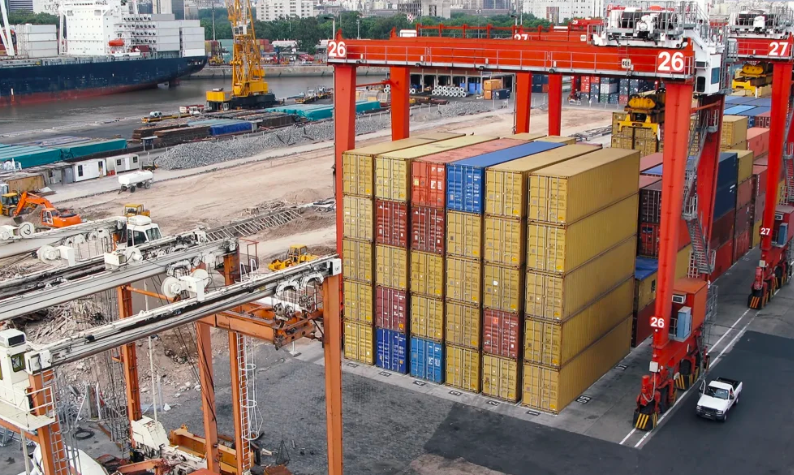
Modern logistics is built around connections. Goods may travel thousands of miles by ocean vessel or rail, but they still need reliable transportation between ports, terminals, warehouses, and other facilities. In this part of the supply chain, drayage shipments provide the short-distance movement needed to keep freight progressing toward its destination. While these trips may cover fewer miles than long-haul transportation, their timing and coordination can have a major effect on the overall shipment.
Why Does Drayage Matter?
Drayage generally involves transporting freight over relatively short distances between major transportation points. A container arriving at a seaport, for example, may need to be moved to a warehouse, rail terminal, distribution centre, or another nearby facility before continuing its journey. This makes drayage an important connection between different stages of transportation.
The distance may be short, but the process is not always simple. Port and terminal operations involve appointments, equipment availability, container schedules, documentation, and changing traffic conditions. A delay at this stage can affect the transportation planned afterward.
Several areas show why drayage deserves attention:
- Intermodal connectivity: It helps connect ocean, rail, and truck transportation.
- Timely cargo movement: Containers can be moved away from busy terminals and toward their next destination.
- Inventory continuity: Reliable transportation helps businesses keep products moving toward warehouses and customers.
- Specialized handling: Certain cargo requires specific equipment, permits, or transportation conditions.
- Schedule coordination: Pickup and delivery times often need to align with other transportation arrangements.
For businesses involved in domestic or international trade, drayage is therefore more than a short trucking movement. It is one of the practical links that holds a larger transportation network together. The wrong equipment, poor scheduling, or limited communication at this stage can create unnecessary complications later.
How Does It Connect Different Modes?
A modern shipment rarely travels through only one mode of transportation. Imported cargo may arrive by ocean, move by truck to a rail facility, continue inland by rail, and then require another truck movement before reaching a warehouse or customer.
This is where drayage shipping becomes particularly important. Its role is to bridge the gaps between transportation modes and locations so that cargo can transition smoothly from one stage to the next.
Consider a basic example. A container arrives at a port and is released for pickup. A truck collects it and transports it to a nearby warehouse, where the goods may be unloaded and sorted. From there, the products can continue through another transportation network. Each movement may be relatively short, but each one must happen at the appropriate time.
Effective coordination can involve:
- Checking container availability and pickup requirements.
- Arranging the appropriate truck and equipment.
- Managing terminal appointments and access procedures.
- Moving the container to the next facility.
- Providing updates on shipment progress.
- Responding when schedules, equipment, or delivery requirements change.
Drayage can also support specialized transportation requirements. Depending on the shipment, services may include temperature-controlled transportation, hazardous-material handling, overweight cargo, out-of-gauge freight, roll-on/roll-off transportation, transloading, and specialty equipment. These capabilities can become particularly important when standard container movement is insufficient.
The key point is that drayage does not exist separately from the rest of the supply chain. It works as a transition between different transportation activities, helping freight move from one stage to another without unnecessary interruptions.
What Makes Short Hauls Challenging?
Short-distance transportation can appear straightforward because the physical distance is limited. In practice, the operational environment around ports and terminals can make these moves surprisingly demanding.
Port congestion, appointment requirements, waiting times, equipment availability, and terminal-specific procedures can all influence a shipment’s schedule. Different terminals may also have their own processes for container pickup, driver access, and appointment booking.
For this reason, businesses should look beyond mileage when evaluating a drayage provider. A reliable operation needs coordination, communication, appropriate equipment, and knowledgeable carrier management.
Important considerations include:
- Equipment: The truck, chassis, trailer, or other equipment should match the cargo.
- Carrier qualification: Proper carrier verification can help address safety and operational concerns.
- Visibility: Shipment updates allow logistics teams to respond to changes more quickly.
- Scheduling: Pickup and delivery coordination can help reduce avoidable waiting and delays.
- Flexibility: Transportation plans may need to change when port or terminal conditions shift.
- Special handling: Certain freight requires additional certifications, permits, or equipment.
Technology can also support this process. Shipment tracking, digital communication, and carrier-verification systems can give logistics teams better visibility into transportation activity. However, technology works best when it is combined with practical transportation knowledge and responsive coordination.
Another consideration is the possibility of multiple drayage movements within one shipment. Freight may be transferred between a port, a temporary storage location, a warehouse, a rail terminal, or another transportation hub. In some situations, expedited or shuttle movements may also be required.
How Can Businesses Plan Better?
Businesses can make drayage more manageable by treating it as part of the complete transportation plan rather than as an isolated trucking task. Planning should begin with a clear understanding of the cargo, required equipment, origin, destination, timing, and transportation modes involved.
Cost is naturally an important consideration, but the lowest initial rate does not always represent the complete transportation cost. Factors such as distance, shipment weight, equipment requirements, tolls, detention, and handling can influence drayage pricing.
Companies can improve planning by asking practical questions such as:
- Does the provider operate around the relevant ports and rail terminals?
- Can it arrange equipment appropriate for the shipment?
- How will shipment progress be communicated?
- Are carriers properly verified and qualified?
- Can the provider respond to urgent or last-minute transportation needs?
- Can drayage coordinate with warehousing, transloading, intermodal, or final-mile requirements?
These questions help shift the focus from simply moving a container to managing the entire transportation handoff.
For businesses handling regular containerized freight, drayage freight should be considered as part of the wider supply chain strategy. When these short-distance movements are properly coordinated, they can help create a more consistent flow between ports, terminals, warehouses, and final destinations.
Conclusion
Drayage may involve shorter distances, but its role within modern logistics is substantial. It connects transportation modes, supports port and terminal operations, and facilitates freight transitions between key stages of the supply chain. Reliable scheduling, suitable equipment, shipment visibility, and responsive coordination can all contribute to smoother movement.
For businesses that need practical freight transportation support across these stages, KCH Transportation provides drayage services alongside capabilities such as tracking, warehousing, specialty equipment, transloading, carrier vetting, and strategic planning.













Leave a Reply