
Picture this: you’re spending more and more on ads every month just to keep sales flat, because every customer who buys once quietly disappears afterward. You’re running hard just to stay in place, endlessly replacing customers instead of keeping the ones you already earned.
Now imagine the opposite. A steady base of repeat customers who keep coming back on their own, nudged along by the occasional well-timed email, while your ad spend goes toward genuinely new growth instead of replacing lost customers. That’s the entire purpose of Shopify customer retention emails: keeping the customers you already have.
Most stores are built around acquisition. Get the traffic, get the sale, move on to the next campaign. But the stores that grow sustainably understand that retention is usually cheaper and more reliable than acquisition, and email is the most direct way to keep a relationship alive after that first purchase.
Why Retention Emails Matter So Much
Keeping an existing customer is consistently far less expensive than acquiring a new one through ads. Yet most stores invest almost nothing in the after-purchase relationship, treating each sale as a standalone event instead of the start of something ongoing.
Retention emails change that. They keep your brand present in a customer’s inbox long after the transaction is done, so when they’re ready to buy again, you’re the obvious choice instead of a forgotten name in their order history.
Here’s what a lot of owners underestimate: a small percentage of repeat customers often drives a disproportionate share of total revenue. Retention isn’t a nice-to-have side effort, it’s frequently the difference between a store that grows steadily and one that’s stuck constantly refilling the top of the funnel.
What You Should Look For
First, purchase history tracking, so retention emails can reference what a customer has actually bought, not generic messaging sent to everyone equally.
Second, lifecycle-based segmentation, treating a brand-new customer differently than someone on their fifth order, and differently again from someone who’s gone quiet.
Third, loyalty and reward triggers, the ability to recognize repeat behavior with a thank-you offer or early access to something new.
Fourth, win-back logic specifically for customers approaching or past their typical reorder window.
Fifth, retention-focused reporting, repeat purchase rate and customer lifetime value, not just open and click metrics.
Different Types of Retention Emails Every Shopify Store Should Send
- Loyalty and thank-you emails that recognize repeat purchases without asking for anything in return
- VIP or early-access emails that reward your best customers with something the general list doesn’t get
- Replenishment reminders timed to when a consumable product is likely running low
- Win-back emails aimed specifically at customers approaching their typical gap between purchases
- Anniversary emails marking a customer’s first purchase or signup date with a small gesture
- Feedback and community emails that make repeat customers feel like part of something, not just a transaction
How To Write Retention Emails That Actually Convert
Reference real history. “It’s been a while since your last order” lands very differently than a generic promotional blast, because it shows the customer you’re actually paying attention.
Reward loyalty visibly. A small, genuine thank-you, a discount, early access, a free sample, reinforces that repeat purchasing is noticed and appreciated, not taken for granted.
Time reminders around actual behavior. A replenishment email sent based on a product’s typical usage window feels helpful. The same email sent on a fixed monthly schedule regardless of need feels like spam.
Don’t only show up when you want a sale. Some retention emails should simply add value, a tip, a piece of content, a genuine check-in, so the relationship doesn’t feel purely transactional.
The Numbers Behind Retention Emails
Repeat customers typically spend more per order over time than first-time buyers, making retention one of the highest-leverage areas a store can invest in.
Loyalty and win-back emails aimed at existing customers consistently cost far less to generate a sale from than paid acquisition aimed at cold traffic.
Stores with structured retention email programs tend to see a meaningfully higher share of revenue coming from repeat customers compared to stores relying purely on one-off promotional sends.
Finding The Right Tool For Your Needs
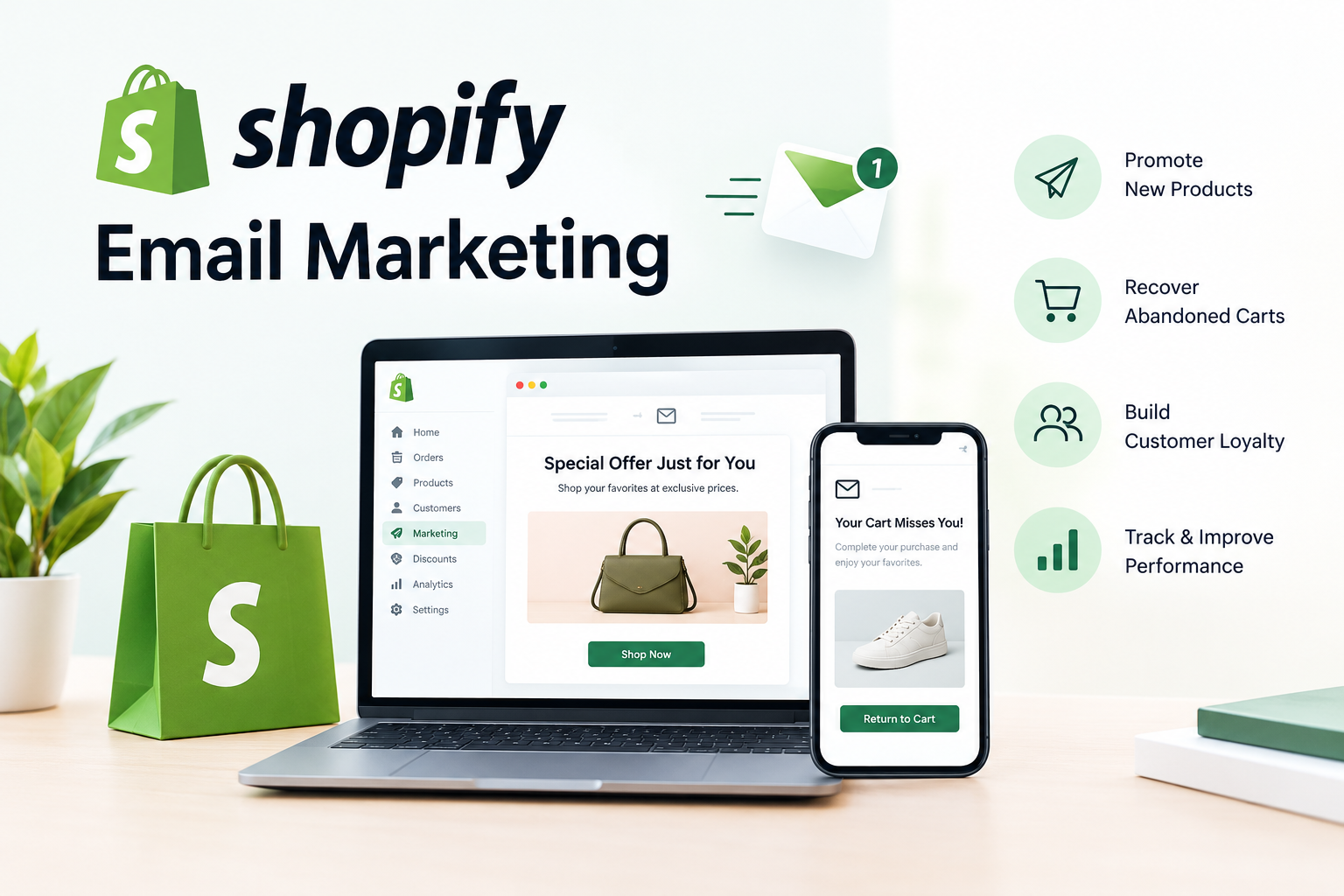
Shopify tracks the order history needed for retention efforts, but doesn’t turn that data into automated retention emails on its own. You need a connected tool to actually act on it.
For lifecycle segmentation, loyalty triggers, and win-back automation tied directly to real purchase data, platforms like adflipr connect with Shopify to build out a full retention program without manually tracking every customer’s order history by hand.
Getting Started This Week
Start with a single win-back email aimed at customers who haven’t purchased in a while. It’s one of the simplest retention plays to set up and often one of the most immediately profitable.
Once that’s running, add a loyalty or thank-you email for repeat customers. Then, if your products support it, a replenishment reminder. Shopify customer retention emails build compounding value over time, each sequence keeps working quietly in the background long after you’ve set it up.
Final Thought
Growth doesn’t only come from finding new customers, it also comes from keeping the ones you already have coming back. Retention emails are one of the few marketing efforts that get cheaper and more effective the longer they run, because every past customer they reach was already sold on your store once. Start with one sequence this week. Let it prove out. Then build the next.










Leave a Reply