
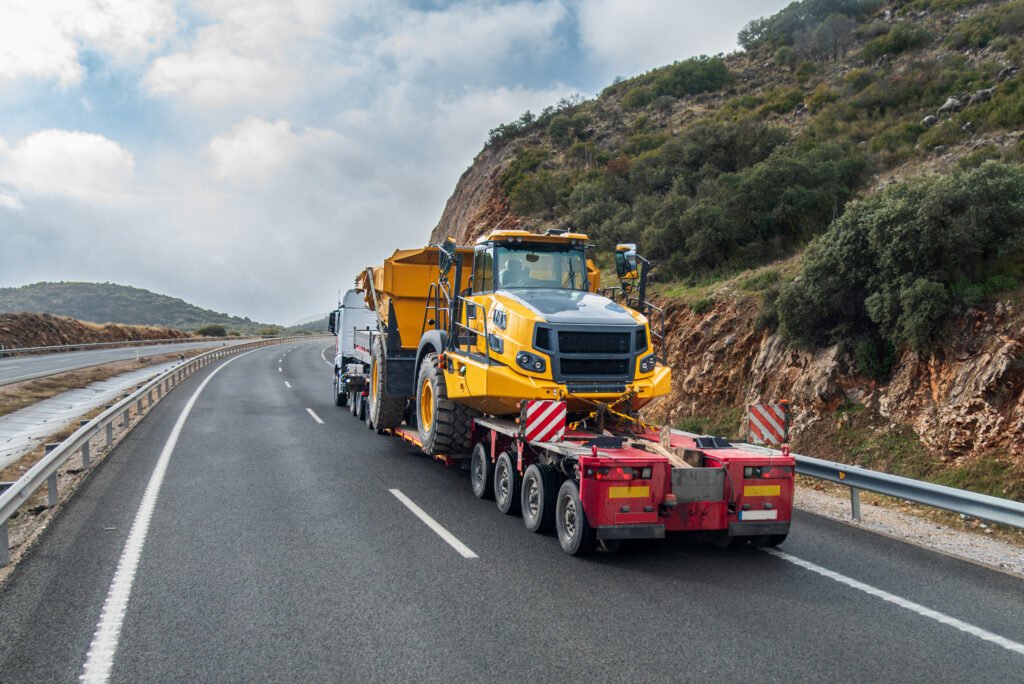
Construction projects depend on different types of heavy machinery and equipment to complete daily operations. Excavators, bulldozers, cranes, loaders, and other machines need to be transported between construction sites, warehouses, and storage facilities. Moving this equipment requires proper planning, suitable vehicles, and an understanding of transportation requirements. Professional construction equipment transportation services help businesses move heavy machinery while managing the challenges associated with oversized cargo. However, understanding common transportation terms can make it easier for construction companies, equipment dealers, and project managers to communicate with carriers and plan shipments effectively.
Why Is It Important to Understand Construction Equipment Transportation Terms?
Heavy equipment transportation involves several activities, including loading, securing, route planning, permitting, and delivery coordination. Each activity has specific requirements that can affect a shipment’s safety and cost.
Businesses that regularly move construction machinery should understand the basic terms transportation providers use. This knowledge can help them compare service options, understand shipping estimates, and avoid confusion when arranging deliveries.
It also makes communication easier when discussing equipment dimensions, trailer requirements, transportation regulations, and delivery schedules.
Below are some common terms that businesses should know before arranging heavy equipment transportation.
1. Heavy Haul Transportation
Heavy haul transportation refers to moving cargo that exceeds standard legal weight or size limits for regular trucking. This may include large construction machinery, industrial equipment, manufacturing components, and other oversized loads.
Heavy haul shipments often require specialized trailers, additional planning, and transportation permits. Depending on the cargo dimensions and weight, escort vehicles may also be necessary.
For example, a large excavator or industrial crane may require a specialized trailer because its size or weight exceeds standard transportation limits.
Understanding heavy haul transportation helps businesses recognize when ordinary freight services may not suit their equipment.
2. Flatbed Trailer
A flatbed trailer is an open trailer with a flat loading surface and no permanent roof or enclosed sides. It is commonly used to transport construction materials, machinery, steel products, and other large cargo.
Flatbed trailers make loading and unloading easier because equipment can be accessed from different sides. Cranes and forklifts can also be used when appropriate.
However, cargo must be secured properly using suitable chains, straps, and other approved equipment. The shipment should also be protected against environmental conditions when necessary.
3. Step-Deck Trailer
A step-deck trailer, also known as a drop-deck trailer, has two different deck heights. The lower deck provides more vertical clearance than a standard flatbed.
This type of trailer is useful for transporting taller equipment that may exceed standard height restrictions when placed on a regular flatbed.
Construction machinery, agricultural equipment, and certain industrial components can often be transported using step-deck trailers.
Choosing the right trailer depends on the cargo’s dimensions, weight, and transportation requirements.
4. Lowboy Trailer
A lowboy trailer has a lower deck height, making it suitable for transporting tall, heavy machinery. It is commonly used for construction equipment such as bulldozers, excavators, loaders, and large industrial machines.
The lower deck helps reduce the overall height of the loaded vehicle, which can be important when transporting equipment under bridges and other overhead structures.
Lowboy trailers are available in different configurations depending on the shipment requirements. Businesses should provide accurate equipment measurements to help transportation providers determine whether this trailer type is suitable.
5. Load Dimensions and Weight
Load dimensions refer to the length, width, and height of the cargo being transported. Weight refers to the total mass of the equipment, including any attachments that will remain on it during shipping.
These measurements are essential when planning heavy equipment transportation.
Incorrect measurements can create problems during trailer selection, permit applications, and route planning. They may also lead to additional transportation expenses if the equipment requires different arrangements than originally planned.
Before booking a shipment, businesses should measure the machinery accurately and communicate all relevant details to the carrier.
6. Oversized Load
An oversized load is cargo that exceeds the legal size limits established for regular transportation on public roads. These limits generally involve dimensions such as width, height, and length.
Oversized construction equipment may require special permits before it can be transported. Some shipments may also need escort vehicles, specific travel schedules, or approved routes.
Transportation requirements can vary by state and the exact dimensions of the shipment.
Businesses should work with experienced carriers that understand the applicable regulations and can help coordinate the necessary arrangements.
7. Freight Permits
Freight permits are official authorizations required for certain types of transportation. Oversized or overweight shipments may need special permits before traveling on public roads.
Permit requirements depend on factors such as cargo dimensions, vehicle weight, transportation routes, and state regulations.
Some permits may include restrictions related to travel times, routes, and escort requirements.
Businesses should confirm which permits are necessary before arranging transportation. Proper documentation helps prevent avoidable interruptions and supports compliance with applicable transportation rules.
8. Cargo Securement
Cargo securement refers to the methods used to keep equipment stable during transportation. Heavy machinery must be properly secured to prevent shifting, movement, or falling from the trailer.
Common securement equipment includes chains, straps, binders, and other approved fastening devices.
The correct securement method depends on the cargo’s size, weight, shape, and design. Equipment with movable parts or attachments may require additional preparation before loading.
Proper securement is essential because heavy machinery can create serious road safety risks if it moves during transit.
9. Route Planning
Route planning involves selecting suitable roads for transporting cargo from its pickup location to its destination.
For heavy equipment shipments, route planning requires more than simply choosing the shortest distance. Transportation providers must consider bridge heights, road weight limits, construction zones, narrow roads, traffic restrictions, and other obstacles.
Oversized shipments may also require routes approved under their transportation permits.
Proper planning helps reduce unexpected delays and makes delivery schedules easier to manage.
10. Industrial Machinery Transportation
Industrial machinery transportation involves moving large equipment used in manufacturing, processing, production, and other industrial activities.
Unlike ordinary freight, industrial machinery may require specialized trailers, lifting equipment, and careful loading arrangements. Some machines may also need to be partially dismantled before transportation.
Businesses should consider the equipment’s dimensions, weight, structural design, and handling instructions before arranging a shipment.
Professional industrial machinery transportation requires coordination between the shipping company, equipment owner, loading facility, and receiving location.
Providing complete information about the machinery helps transportation providers prepare suitable equipment and handling arrangements.
11. Loading and Unloading
Loading refers to placing equipment onto a transportation vehicle, while unloading involves removing it at the destination.
Heavy machinery may require cranes, forklifts, ramps, or other specialized equipment during these activities.
Before transportation begins, businesses should confirm whether the pickup and delivery locations have the necessary loading facilities.
They should also discuss who will be responsible for arranging lifting equipment and supervising the process. Proper coordination helps prevent delays and reduces the risk of damage.
12. Delivery Scheduling
Delivery scheduling involves coordinating the pickup date, transportation timeline, and expected arrival time.
Construction projects often depend on equipment being available according to specific work schedules. A delay in machinery delivery can affect project timelines and create additional expenses.
Businesses should communicate their delivery requirements clearly and choose a transportation provider that offers realistic scheduling information.
It is also useful to maintain communication throughout the transportation process so that receiving teams can prepare for the equipment’s arrival.
How to Choose the Right Heavy Equipment Transportation Provider
Understanding transportation terminology is useful, but selecting the right carrier is equally important. Businesses should evaluate a transportation company’s experience, equipment availability, service coverage, safety procedures, and communication practices.
If you are searching for the best heavy haul company, consider whether the provider has experience transporting equipment similar to yours. Ask about trailer options, permit coordination, insurance coverage, cargo securement, and delivery planning.
It is also important to request a clear price estimate and understand which services are included. Comparing providers based on overall capabilities rather than price alone can help businesses make better transportation decisions.
Final Thoughts
Construction equipment transportation involves several important terms and processes that businesses should understand before arranging a shipment. Understanding the differences between flatbed, step-deck, and lowboy trailers, along with concepts such as oversized loads, freight permits, and cargo securement, can simplify transportation planning.
Proper preparation and clear communication help reduce avoidable problems and support safer equipment movement. Businesses should always provide accurate shipment details and work with experienced transportation professionals who understand their requirements.
For businesses seeking dependable freight and heavy equipment transportation support, KCH Transportation is worth considering.




Leave a Reply