
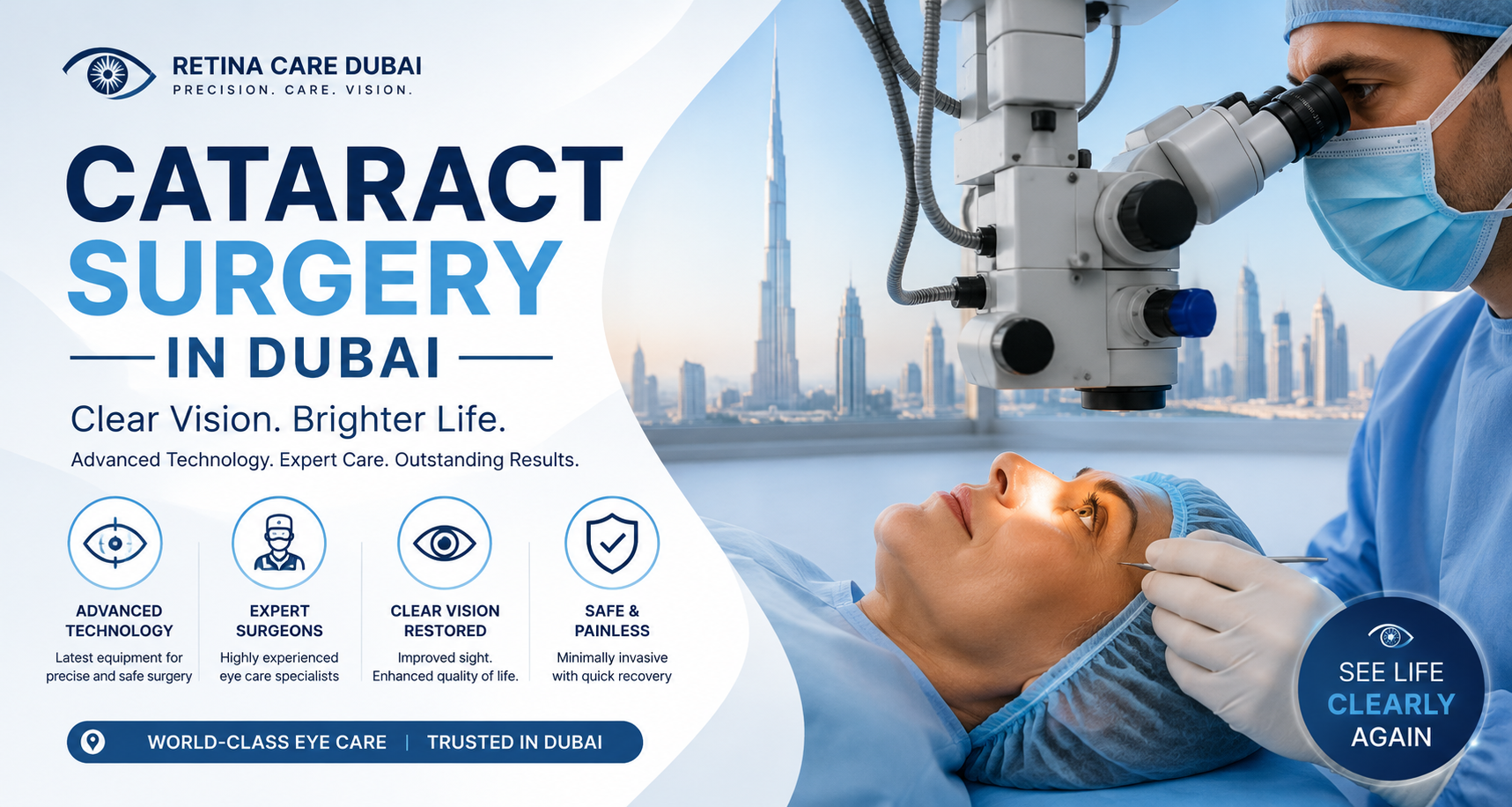
Cataracts are a common eye condition that can gradually affect vision, making everyday activities such as reading, driving, and recognizing faces more difficult. With advancements in modern ophthalmology, cataract surgery in Dubai offers patients access to advanced diagnostic methods, modern surgical techniques, and personalized eye care. Understanding the symptoms, treatment options, and recovery process can help patients make informed decisions about their vision health.
What Is Cataract Surgery?
Cataract surgery is a medical procedure that removes the cloudy natural lens of the eye and replaces it with an artificial intraocular lens (IOL). The procedure aims to improve vision by allowing light to pass clearly through the eye and reach the retina.
Cataracts usually develop gradually as the natural lens becomes cloudy with age. Other contributing factors may include diabetes, eye injuries, certain medications, and prolonged exposure to ultraviolet radiation.
When cataracts begin to interfere with daily activities, an ophthalmologist may recommend surgery based on the patient’s symptoms, eye examination, and overall visual needs.
Common Symptoms of Cataracts
Recognizing cataract symptoms early can help patients seek timely professional advice. Common warning signs include:
-
Blurred, cloudy, or hazy vision
-
Increased sensitivity to bright lights and glare
-
Difficulty seeing clearly at night
-
Halos around headlights and other light sources
-
Faded or less vibrant colors
-
Frequent changes in eyeglass prescriptions
-
Difficulty reading or recognizing faces
These symptoms can also occur with other eye conditions. A comprehensive eye examination is important to identify the cause and determine the most appropriate treatment.
Why Consider Cataract Surgery in Dubai?
Dubai has a range of ophthalmology clinics and specialist eye care facilities offering cataract assessment and treatment. Patients can explore different surgical approaches according to their medical needs, lifestyle, and budget.
Important factors to consider when choosing a cataract treatment provider include:
1. Experienced ophthalmologists: Look for a qualified eye surgeon with relevant cataract surgery experience and appropriate professional licensing.
2. Modern diagnostic technology: Detailed eye measurements help the surgeon evaluate the eye and select a suitable artificial lens.
3. Personalized lens selection: Different intraocular lenses can address different visual requirements. The best option depends on eye health, existing conditions, and expectations.
4. Clear treatment planning: Patients should receive information about the procedure, potential risks, expected benefits, and recovery instructions before surgery.
5. Follow-up care: Postoperative examinations help monitor healing and identify complications that require treatment.
Advanced Cataract Surgery Techniques
Modern cataract surgery is generally performed using small-incision techniques. The appropriate method depends on the patient’s eye condition and the surgeon’s assessment.
1. Phacoemulsification Surgery
Phacoemulsification is a widely used cataract surgery technique. The surgeon makes a small incision, uses ultrasound energy to break up the cloudy lens, removes the lens fragments, and places an artificial intraocular lens inside the eye.
The procedure is usually performed under local or topical anesthesia, and many patients return home the same day.
2. Laser-Assisted Cataract Surgery
Some facilities offer femtosecond laser-assisted cataract surgery. A laser performs selected steps of the procedure, such as creating specific incisions or assisting with lens fragmentation.
This technique is not necessary for every patient, and its suitability should be discussed with the treating ophthalmologist.
3. Intraocular Lens Options
Choosing the right artificial lens is an important part of cataract treatment.
|
Lens type |
Main characteristics |
|---|---|
|
Monofocal IOL |
Provides clear vision at one primary focal distance, often distance vision |
|
Toric IOL |
Designed to correct certain types of corneal astigmatism |
|
Multifocal IOL |
Offers multiple focal distances and may reduce dependence on glasses |
|
Extended depth of focus (EDOF) IOL |
Designed to provide a broader range of functional vision |
No lens option guarantees complete freedom from glasses. Some lenses may cause glare, halos, or other visual disturbances, so the benefits and limitations should be discussed before surgery.
Who Needs Cataract Surgery?
Not every cataract requires immediate surgery. An ophthalmologist may recommend treatment when the condition significantly affects daily life or interferes with the examination and management of other eye conditions.
Patients who may benefit from an assessment include:
-
Older adults experiencing progressively blurred vision
-
People who struggle with reading, driving, or routine tasks
-
Individuals whose vision does not improve sufficiently with updated glasses
-
Patients whose cataracts affect the management of other eye conditions
People with diabetes, retinal disorders, glaucoma, or previous eye surgery may require additional evaluation. These conditions can influence the expected visual outcome and the surgical plan.
What Happens During Cataract Surgery?
Understanding the treatment process can help reduce uncertainty and prepare patients for their appointment.
Before surgery: The ophthalmologist examines the eyes, measures the eye’s dimensions, evaluates the cornea and retina where possible, and discusses suitable lens options.
During surgery: The cloudy lens is removed through a small incision and replaced with an artificial lens. The procedure commonly takes around 10–30 minutes, although the overall visit may take longer.
After surgery: Patients receive instructions regarding eye drops, activity restrictions, eye protection, and follow-up appointments. Vision may begin improving within a few days, but the recovery timeline varies.
Patients should arrange transportation home if advised by their surgical team and should not drive until their vision and medical clearance make it safe.
Cataract Surgery Recovery and Aftercare
Recovery is an important part of successful cataract treatment. Following the surgeon’s instructions can support healing and reduce the risk of complications.
Practical aftercare tips include:
-
Use prescribed eye drops exactly as directed.
-
Avoid rubbing or pressing on the operated eye.
-
Protect the eye from dust, accidental contact, and water exposure as advised.
-
Avoid strenuous exercise and heavy lifting until the surgeon approves.
-
Attend all scheduled postoperative examinations.
-
Ask the ophthalmologist when it is appropriate to resume driving, swimming, work, and other daily activities.
Mild irritation, watering, or temporary blurred vision can occur after surgery. However, sudden vision loss, severe eye pain, increasing redness, or a sudden increase in flashes or floaters requires urgent medical assessment.
How to Choose the Right Cataract Surgeon in Dubai
Selecting a suitable eye surgeon involves more than comparing prices or clinic facilities. Patients should evaluate the surgeon’s qualifications, experience, communication, and approach to personalized care.
Before booking an appointment, consider asking:
-
Is the surgeon appropriately licensed to practice in Dubai?
-
How will my existing eye conditions affect the expected results?
-
Which intraocular lens options are suitable for me?
-
What are the potential risks and limitations of the recommended procedure?
-
What does the quoted treatment cost include?
-
How many follow-up appointments will I need?
For patients exploring cataract treatment options, RetinaCareDubai can serve as a starting point for learning about eye care services and seeking information about specialist evaluation and treatment options.
Frequently Asked Questions About Cataract Surgery in Dubai
1. How much does cataract surgery cost in Dubai?
The cost varies according to the clinic, surgeon, surgical technique, artificial lens selected, diagnostic tests, and postoperative care. Patients should request an itemized estimate and check whether their insurance policy covers the procedure.
2. Is cataract surgery painful?
The procedure is generally performed using local or topical anesthesia, so significant pain during surgery is uncommon. Some patients experience mild discomfort or irritation afterward. Severe pain should be assessed urgently.
3. How long does cataract surgery take?
The operation commonly takes around 10–30 minutes per eye. Preparation, recovery monitoring, and discharge procedures can make the total clinic visit considerably longer.
4. How long does it take to recover from cataract surgery?
Many patients notice improved vision within a few days, while complete healing and visual stabilization may take several weeks. Recovery depends on individual eye health and whether complications occur.
5. Can cataracts return after surgery?
The removed natural lens cataract does not return. However, some patients develop posterior capsule opacification, sometimes called a secondary cataract. This can often be treated with a laser procedure if it affects vision.
6. Is cataract surgery safe?
Cataract surgery is a commonly performed procedure with a high success rate in suitable patients. However, it carries risks, including infection, inflammation, retinal complications, and changes in eye pressure. An ophthalmologist can explain the risks relevant to each patient.
7. Can both eyes be treated on the same day?
Some patients may be eligible for surgery on both eyes on the same day, while others undergo separate procedures. The decision depends on individual circumstances, clinical assessment, and the surgeon’s recommendations.





Leave a Reply