
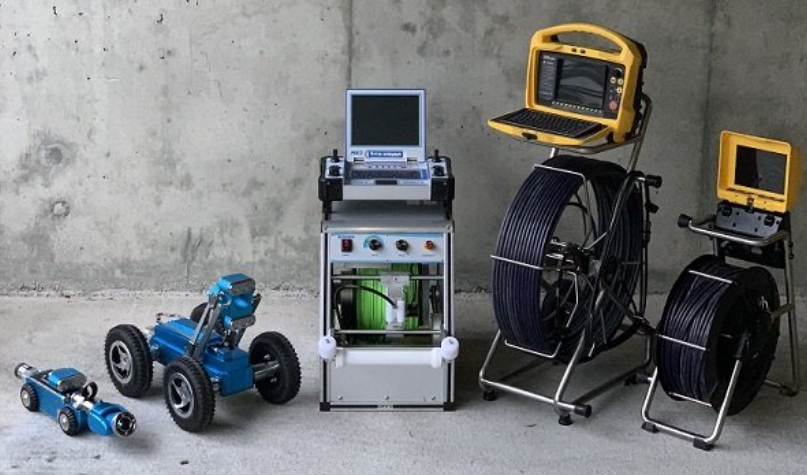
Not every water-related issue announces itself with a puddle on the floor or a dripping ceiling. In many cases, moisture travels quietly behind walls, beneath floors, or around underground infrastructure long before visible signs appear. By the time staining, swelling, or structural damage becomes noticeable, the source may have existed for weeks or even months. That is one reason Thermal Imaging for Water Leaks has become an increasingly valuable tool for gathering information during property investigations. Instead of relying only on visible clues, utility detection specialists can observe temperature variations that may indicate areas requiring further evaluation, helping project teams build a more informed understanding of hidden conditions.
Why isn’t Moisture Always Easy To Find?
Water has a way of following unexpected paths. A leak rarely stays directly beneath its source. Gravity, building materials, insulation, and structural design can all influence how moisture travels through a property.
This often makes visual inspections alone difficult. A damp ceiling may originate from a pipe several feet away. Moisture appearing on one wall could actually originate beneath a floor or behind another section of the building. Modern investigative methods allow professionals to evaluate conditions without immediately opening walls or removing flooring. Rather than relying solely on surface observations, thermal imaging provides additional information by identifying temperature differences that may indicate moisture.
That information becomes one part of a broader investigation rather than the final answer on its own. For property owners and project managers, this approach supports more informed planning before deciding what additional evaluation may be appropriate.
Looking Beyond Visible Damage
One common misconception is that thermal cameras “see through” walls or directly detect water. In reality, thermal equipment records differences in surface temperatures. Moisture often influences how building materials gain or lose heat, creating patterns that trained professionals interpret alongside other observations.
During Thermal Imaging for Water Leak Detection, utility detection specialists combine thermal data with field experience, available documentation, environmental conditions, and, where appropriate, additional investigative methods. This broader evaluation may help identify areas that deserve closer attention without immediately resorting to invasive inspection techniques.
Depending on the property and project goals, thermal imaging may contribute to investigations involving:
- Commercial buildings
- Residential properties
- Industrial facilities
- Educational campuses
- Healthcare environments
- Mechanical rooms
- Utility corridors
- Renovation planning
Because every building behaves differently, professional interpretation remains just as important as the technology itself.
The objective is not to declare conclusions from a single image but to document meaningful observations that support informed decision-making.
Can One Technology Solve Every Leak Investigation?
Another common myth is that thermal imaging alone can answer every question. The reality is more balanced. Different building materials respond differently to temperature changes. Weather conditions, HVAC operation, sunlight exposure, insulation, humidity, and occupancy can all influence thermal images. For that reason, experienced utility detection professionals rarely rely on one investigative method in isolation.
Instead, thermal imaging becomes part of a larger process that may include visual inspections, site observations, available property records, underground utility locating, concrete investigations, or other appropriate techniques, depending on the project.
This layered approach allows professionals to evaluate multiple sources of information before documenting their findings. Rather than replacing practical field experience, thermal imaging complements it by revealing patterns that may not be visible during a standard inspection.
When several observations support one another, project teams gain a broader understanding of existing conditions before determining their next steps.
Supporting Smarter Decisions Beyond Today’s Inspection
The benefits of thermal investigations often extend beyond identifying a single moisture concern. Documented observations may support long-term facility management, renovation planning, preventive maintenance discussions, insurance documentation, or future property improvements. Even after an investigation concludes, organized records can provide useful reference material when evaluating similar concerns later.
Organizations exploring Thermal Leak Detection frequently recognize that documenting observed conditions contributes to better planning across the entire lifecycle of a building rather than serving only one immediate purpose. Since temperature patterns and building conditions can change over time, findings represent observations gathered during a particular investigation under the environmental conditions present at that moment. Maintaining these records alongside other property documentation helps owners, consultants, and facility managers make more informed decisions as buildings continue to evolve.
As technology continues advancing, the focus is shifting away from reactive investigations toward gathering better information before larger problems develop. That evolution allows property professionals to evaluate concerns with greater context while reducing unnecessary disruption during the investigative process.
Conclusion
Modern property investigations increasingly rely on information gathered before invasive work begins. Understanding hidden moisture patterns through carefully interpreted observations helps property owners and project teams approach potential issues with greater awareness and stronger documentation. As a private utility locating company and utility detection and inspection service provider, CNI Locates LTD specializes in identifying and documenting subsurface infrastructure and related site conditions, supporting informed planning through professional investigations without performing repairs, excavation, installation, or infrastructure certification.





Leave a Reply